





Dr. Kalmadi Shamarao Junior College, Pune
Gifted and Talented Nurturing Programme (GTNP), 2026-27
Report of the Residential Camp
Dates: 7–9 October 2026
Venue: Hidden Oasis, Saswad
The Residential Camp for identified and registered gifted students of Dr. Kalmadi Shamarao Junior College, Pune, was organised from 7 to 9 October, 2026 at Hidden Oasis, Saswad. From the 17 registered students, 15 participated in the camp.
The four key objectives of the Gifted and Talented Nurturing Programme (GTNP) are Vision Building, Skill Development, Handling Emotions, and Social Outreach for the Greater Good. The camp aimed to nurture holistic development, encourage self-discovery and build a supportive network among gifted students.
The students were accompanied by Mrs. Shweta Karandikar and Mrs. Devika Deshpande, along with Mr. Pratik Kela, founder of Wanderer Outdoors. The programme included experiential activities, reflective sessions, nature-based learning and collaborative challenges.
Day 1 – Self-Discovery, Purpose and Leadership
1. Ice-breakers
Pratik Kela initiated the camp by conducting ice breakers for the team. This set the tone for the day as it eased the students
2. Exploring the Path to Purpose
Mrs. Jyoti Kumta facilitated a session on discovering one’s life purpose. Through reflective questions about interests, existing abilities and skills to be developed, students explored how personal aspirations could align with the greater good. She also recommended some relevant reading resources.
GTNP objective: Vision Building
Pancha Kosha: Vijnanamaya Kosha
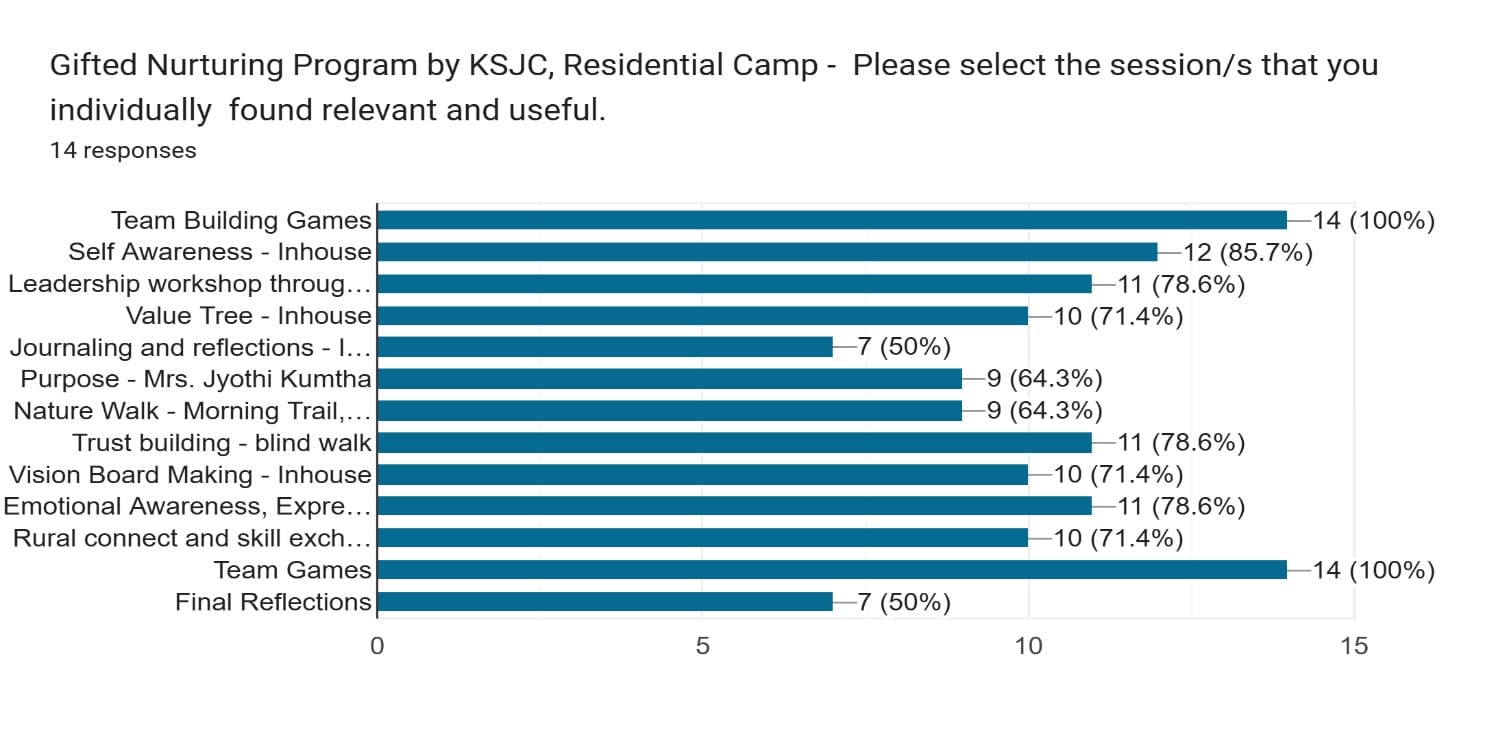
3. Self-Awareness
Mrs. Devika Deshpande conducted a session on self-awareness, introducing concepts such as BSP, ISI and the “why”. Students explored their strengths, positive affirmations, listed their hopes and dreams, self-appreciation statements, they made personal timelines etc.
GTNP objective: Handling Emotions and Vision Building
Pancha Kosha: Manomaya Kosha (thoughts and emotions) and Vijnanamaya Kosha (self-reflection and understanding)
4. Team-Building Games
Mr. Pratik Kela conducted interactive team-building games that encouraged students to collaborate, communicate and make collective decisions. The activities were followed by discussions on leadership and group dynamics.
GTNP objective: Skill Development
Pancha Kosha: Manomaya Kosha (social and emotional engagement) and Vijnanamaya Kosha (problem-solving and decision-making)
5. Leadership
The leadership session introduced the framework TACOS: Trust and Teamwork; Adaptability and Accountability; Communication and Cooperation; Organisation and Objective-driven action; Selflessness and Synergy. Students engaged in discussions and decision-making tasks, understanding the importance of responsible and collaborative leadership.
GTNP objective: Skill Development
Pancha Kosha: Vijnanamaya Kosha (judgement and decision-making) and Manomaya Kosha (interpersonal understanding)
6. Setting Up Tents
Students gained hands-on experience in setting up and decorating their tents. The activity encouraged planning, cooperation, practical problem-solving and shared responsibility.
GTNP objective: Skill Development
Pancha Kosha: Annamaya Kosha (physical activity) and Vijnanamaya Kosha (planning and problem-solving)
7. Journaling
Students explored different types of journals, their uses and their role in personal development. The discussion emphasised consistency and the importance of developing journaling into a regular habit.
GTNP objective: Handling Emotions and Vision Building
Pancha Kosha: Manomaya Kosha (emotional expression) and Vijnanamaya Kosha (reflection and self-understanding)
Day 2 – Nature, Values and Experiential Learning
8. Nature Walk and Birdwatching
The day began with a nature walk, birdwatching and an exploration of the farm and its surroundings. The experience encouraged observation, curiosity, environmental appreciation and informal peer interaction.
GTNP objective: Handling Emotions and Social Outreach for the Greater Good
Pancha Kosha: Annamaya Kosha (movement in nature) and Manomaya Kosha (calmness and sensory awareness)
9. Breathing Exercises and Pranayama
Students practised breathing exercises and pranayama to understand the relationship between breath, attention and emotional regulation. The session encouraged calmness and better focus.
GTNP objective: Handling Emotions
Pancha Kosha: Pranamaya Kosha (breath and vital energy) and Manomaya Kosha (mental calmness)
10. Value Tree
Students identified the values they wished to uphold throughout their lives and represented them through creative value-tree drawings. The activity helped them find their foundation values, importance of self-fulfilment leading to greater good.
GTNP objective: Vision Building and Handling Emotions
Pancha Kosha: Vijnanamaya Kosha (values and discernment) and Manomaya Kosha (self-awareness)
11. Vision Board
Students created vision boards to represent their aspirations and future goals. The activity helped them organise their thoughts, visualise possibilities and reflect on the direction they wished to pursue.
GTNP objective: Vision Building
Pancha Kosha: Vijnanamaya Kosha (clarity, reflection and goal-setting) and Manomaya Kosha (aspirations and motivation)
12. Farm Visit and Carpentry Workshop Visit
The students were divided into two groups. One group visited the farm, interacted with farmers, harvested fresh vegetables and prepared a salad. The other visited a carpentry workshop that trains local children in practical skills such as carpentry and plumbing. Both groups subsequently exchanged their observations and learning.
GTNP objective: Skill Development and Social Outreach for the Greater Good
Pancha Kosha: Annamaya Kosha (hands-on activity) and Vijnanamaya Kosha (understanding livelihoods and reflecting on community skills)
13. Survival Cooking – Maggi Making
Students prepared Maggi on a traditional chulha. The activity required them to plan, organise and prepare food collaboratively, encouraging independence, time management and practical problem-solving.
GTNP objective: Skill Development
Pancha Kosha: Annamaya Kosha (physical and practical activity) and Vijnanamaya Kosha (planning and decision-making)
14. Discussion on Food Packet Labels
Students participated in a discussion on food packet labels, encouraging them to examine food-related information and develop awareness of informed food choices.
GTNP objective: Skill Development
Pancha Kosha: Vijnanamaya Kosha (critical thinking and informed decision-making)
15. Fashion Show
After dinner, students participated in a fashion show that highlighted confidence, creativity and public self-awareness. They selected a showstopper and discussed the qualities that made the student stand out. His confidence and ability to adapt after losing a prop were recognised as key strengths.
GTNP objective: Skill Development and Handling Emotions
Pancha Kosha: Manomaya Kosha (confidence and emotional resilience) and Vijnanamaya Kosha (observation and evaluation)
16. Panchayat – Group Debate on Purandar Airport
Students were divided into groups and presented with a real-life situation involving the Purandar Airport project and its stakeholders. The discussion encouraged them to examine different perspectives, understand competing concerns and engage in collective problem-solving.
GTNP objective: Skill Development and Social Outreach for the Greater Good
Pancha Kosha: Vijnanamaya Kosha (critical thinking and judgement) and Manomaya Kosha (empathy and understanding different perspectives)
Day 3 – Emotional Intelligence and Collaboration
17. Navigating the Inner Landscape
Mrs. Smita Pradhan, counsellor, conducted a session on emotional awareness and interpersonal understanding. Using the iceberg analogy, students explored the feelings and needs that may lie beneath visible reactions. They practised “I-statements” and reflected on how the same situation can evoke different responses in different individuals. The importance of observing feelings, identifying needs, making requests and choosing an appropriate time and safe space for expression was emphasised.
GTNP objective: Handling Emotions
Pancha Kosha: Manomaya Kosha (feelings and emotional responses) and Vijnanamaya Kosha (self-awareness and thoughtful communication)
18. The Importance of Listening
Dr. Sameena Manasawala, Head of Gifted Nurturing, KGERC, highlighted the importance of listening in building meaningful relationships. The discussion also explored parental expectations, including assurance, results, gratitude, clarity and trust, encouraging students to reflect on communication within families.
GTNP objective: Handling Emotions
Pancha Kosha: Manomaya Kosha (empathy and relationships) and Vijnanamaya Kosha (understanding and reflection)
19. Treasure Hunt
The camp concluded with a treasure hunt that required students to work together, interpret clues, manage time and coordinate their efforts. The activity reinforced teamwork, strategic thinking and collaborative problem-solving.
GTNP objective: Skill Development
Pancha Kosha: Annamaya Kosha (physical participation), Manomaya Kosha (team interaction) and Vijnanamaya Kosha (reasoning and strategy)
Conclusion
The three-day residential camp provided students with opportunities to explore their identities, articulate their aspirations, strengthen practical and interpersonal skills, and develop greater emotional awareness.
The blend of reflective sessions, outdoor experiences, creative activities and real-life challenges supported the four objectives of the Gifted and Talented Nurturing Programme.
The activities also offered a holistic perspective through the Pancha Kosha framework of Vedanta—Annamaya, Pranamaya, Manomaya, Vijnanamaya and Anandamaya Kosha. While the activities directly engaged the first four koshas, the camp’s emphasis on self-discovery, connection, purpose and well-being also created opportunities to nurture Anandamaya Kosha, associated with inner fulfilment and deeper contentment.
Overall, the camp was a meaningful step towards nurturing confident, reflective, capable and socially responsible young individuals who can use their potential for personal growth and the greater good.
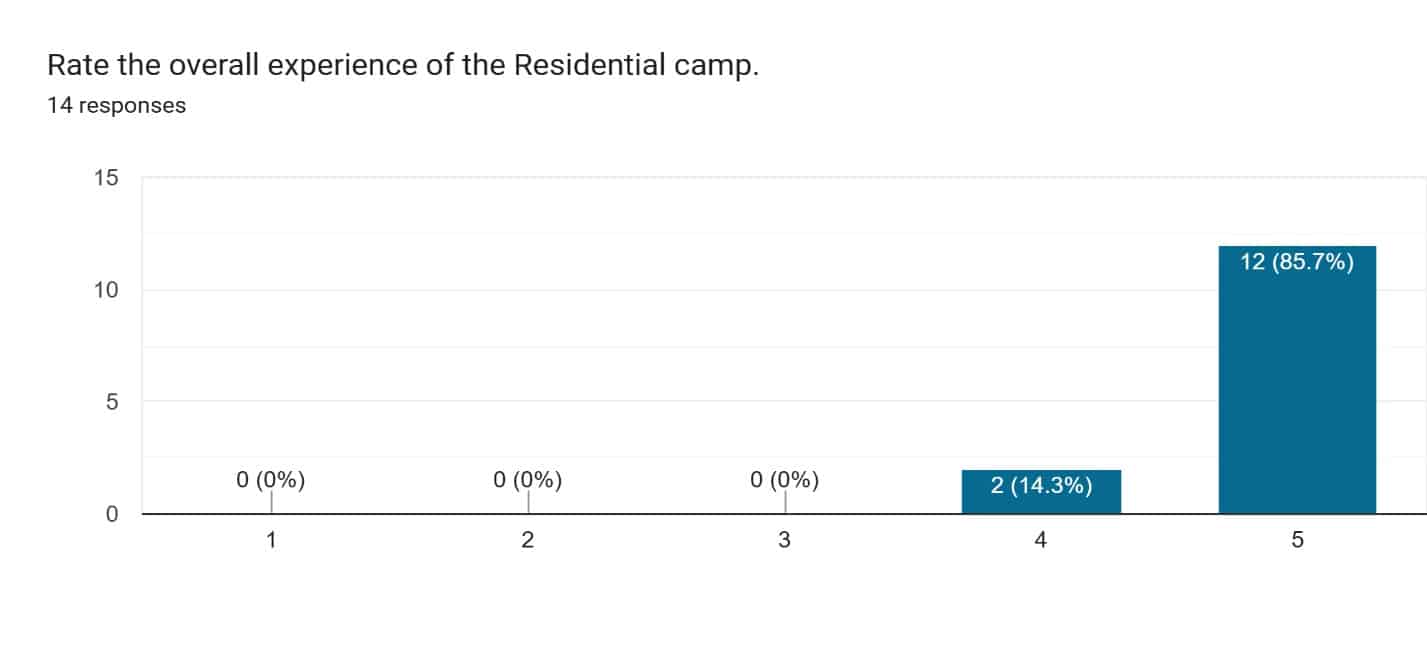
Student’s Feedback